
The Netherlands Research School of Gender Studies organises the DOING GENDER Lecture Series in cooperation with her partners. These lectures stress the importance of doing gender work combined with an active involvement in the practice of gender theory and research. The concept of DOING GENDER supports a hands-on approach to gender issues in the sense of social and political engagement with the new forms of gender inequalities that are taking shape in the world today. The lecture series wants to give space to the new generations of gender theorists and practitioners and to perspectives that innovate the field and do gender in new ways. Key is the notion of doing gender: what is the state of the art definition of gender? How do contemporary scholars and activists utilise this definition?
On Tuesday, March 10, 2026, dr. Falestin Naïli will give a Doing Gender Lecture entitled Emergency History: Documenting Interrupted Futures for Potential Posterity
The Doing Gender Lecture series for 2025-2026 will be framed around the theme of Feminist Solidarity in Times of War.
Lecture: Emergency History: Documenting Interrupted Futures for Potential Posterity
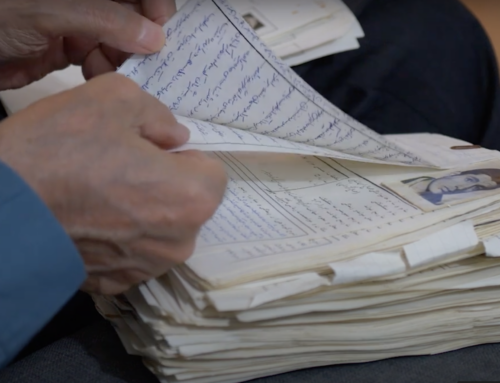
This talk examines the role of historical practice in contexts of prolonged colonialism, focusing on Palestine in relation to the wider Arab world. Extended colonial domination erodes indigenous collective memory by severing personal links to pre-colonial life and by destroying or neglecting material heritage that falls outside European historical imaginaries. In such settings, historians are tasked with reconstructing narratives capable of sustaining collective memory and reviving political and social imaginaries that have been lost.
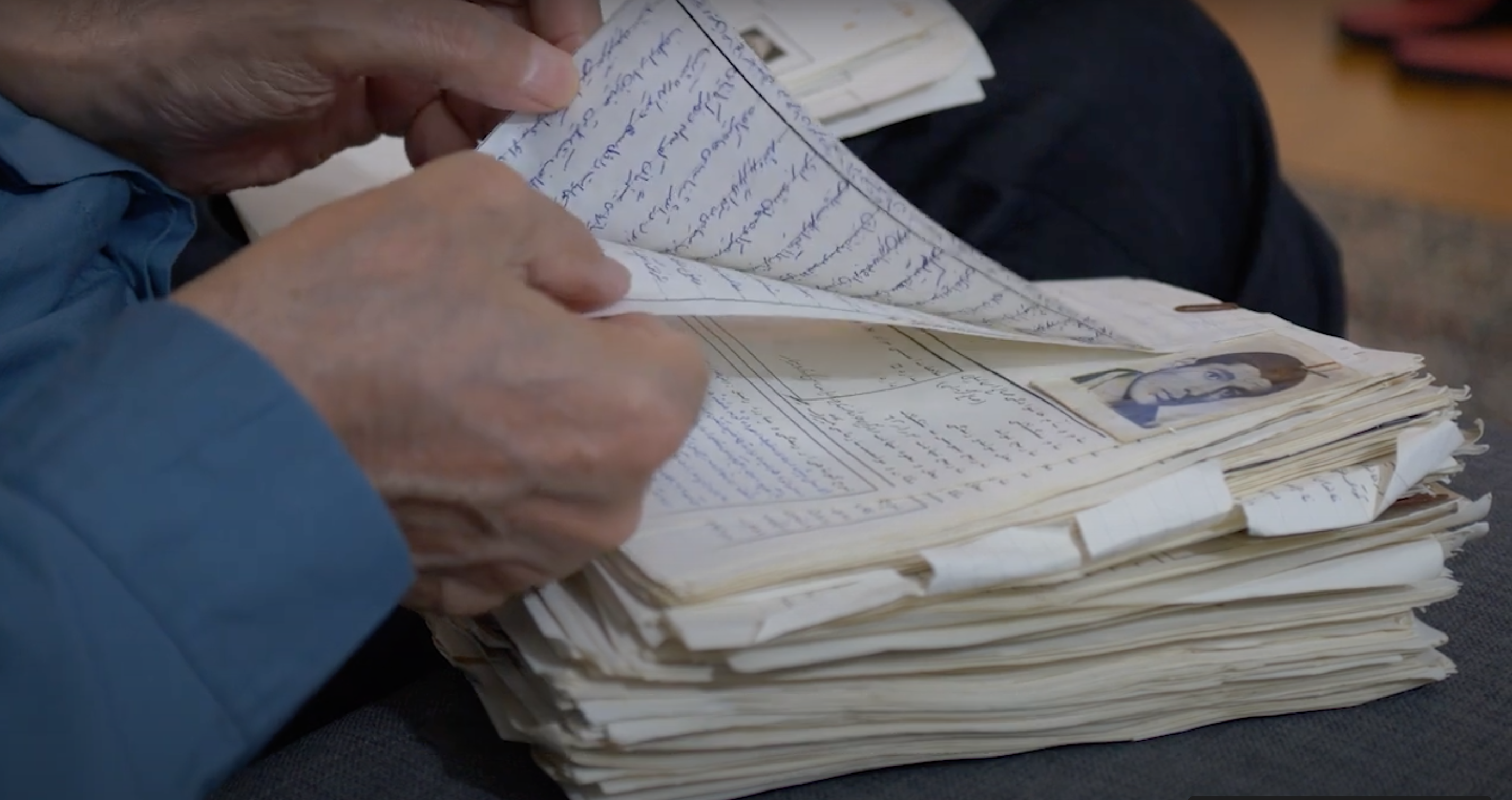
In this context, the vulnerability of archives is a central issue, since they are frequently targeted for destruction or confiscation by colonial regimes. Recent examples, including the destruction of archives in Gaza, force historians to reconsider their positionality and to develop methods for working amid archival loss while acknowledging “the violence of their disappearance” (Mezna Qato). These circumstances also call for a rethinking of what archives are and how they should be constituted, following Jacques Derrida’s cue to see archives as stores for the future.
Biography
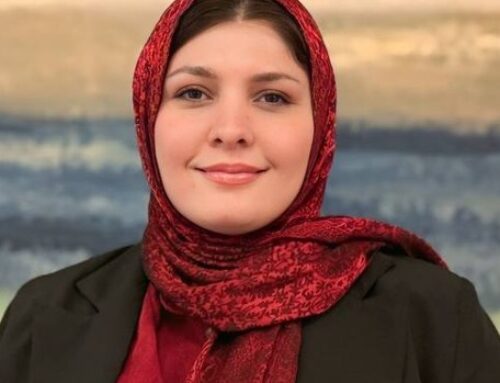
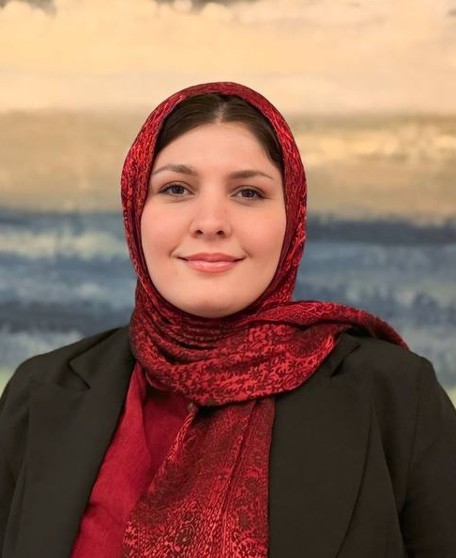
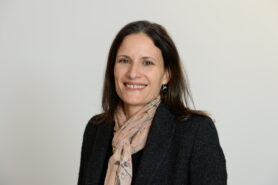 Falestin Naïli is a historian specializing in the social history of late Ottoman and Mandate Palestine and Jordan. She has focused much of her recent research on local governance and politics, particularly in Jerusalem. Through her interest in collective memory and oral history, she often reaches present-time issues, including the politics of heritage. Since 2024, she has been an Assistant Professor in Near and Middle Eastern Studies at the University of Basel. She leads a Swiss National Science Foundation (SNSF) Consolidator project called “Futures Interrupted: social pluralism and political projects beyond coloniality and the nation-state.
Doing Gender Lecture by Dr. Falestin Naïli
Tuesday, March 10, 2026
Lecture: Emergency History: Documenting Interrupted Futures for Potential Posterity
Time: 17:15 – 18:45 hrs.
Location: Janskerkhof 2-3, Room 021.
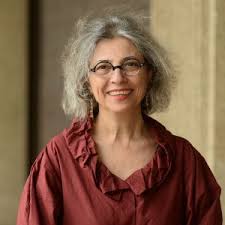
Chair: Ana Miranda Mora
Registration: nog@uu.nl. Please register by using ‘Registration Doing Gender Lecture Naïli’ as the su.bject line.
Reading and Preparation (PDF available upon request):
- Stoler, Ann. ‘On Archiving as Dissensus’. Comparative Studies of South Asia, Africa and the Middle East, Volume 38, Number 1, May 2018, pp. 43-56.
- Naïli, Falestin. ‘Amman as Jerusalem’s Alter Ego? Or How to Write about Jerusalem’s Past Futures’. Jerusalem Quarterly. Volume 100, Winter 2024, Institute for Palestine Studies. pp. 14-25.