
The NOG PhD Council is organising a workshop series on critical feminist research methods for PhD and RMA students. Seeing the popularity of a recent PhD methods course organised by Radboud Gender and Diversity Studies and NOG, it became clear that there is a demand for more critical and intersectional feminist methods trainings open to PhD students from different research fields. This workshop series therefore aims to fill the gap by providing participants with relevant practical knowledge to implement critical feminist approaches in their research.
The series consists of three separate workshops on the following topics: Queer, Feminist and Postcolonial Archival Research, Feminist Ethnography, and Ethics, Dilemmas and Discord. The workshops will be led by instructors who have experience with one of these approaches. These instructors will reflect on their own experiences of the research process and what this entails. The workshops are loosely divided into three parts: (1) Instructors talk about their experiences with a certain method (2) Participants discuss the assigned literature and ask questions (3) Participants engage in a practical activity and share their own research experiences.
Each workshop will last three hours and is worth 1 EC. In order to receive these credits, participants are required to complete a short reflective assignment and finish the assigned readings before the session. The workshops will take place in Utrecht in April and May 2025 (see the exact dates below). The venues will be confirmed closer to the dates.
Participants can register for either one, two, or all of the workshops. The sign-ups for the workshops have individual links, which you can find below. Please be aware that not all sign ups might open and close at the same time, and that session 1 and session 2 are repeats from last year. Participants of those sessions last year must note that signing up for those again is not recommended.
Session 1: Queer, Feminist and Postcolonial Archival Research
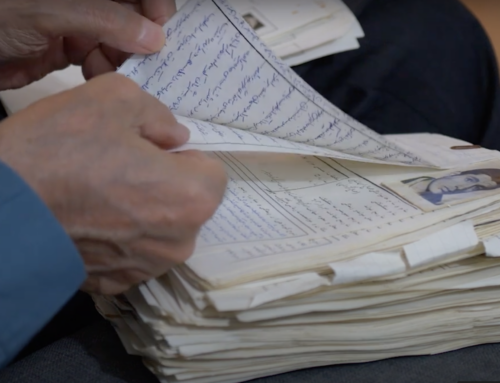
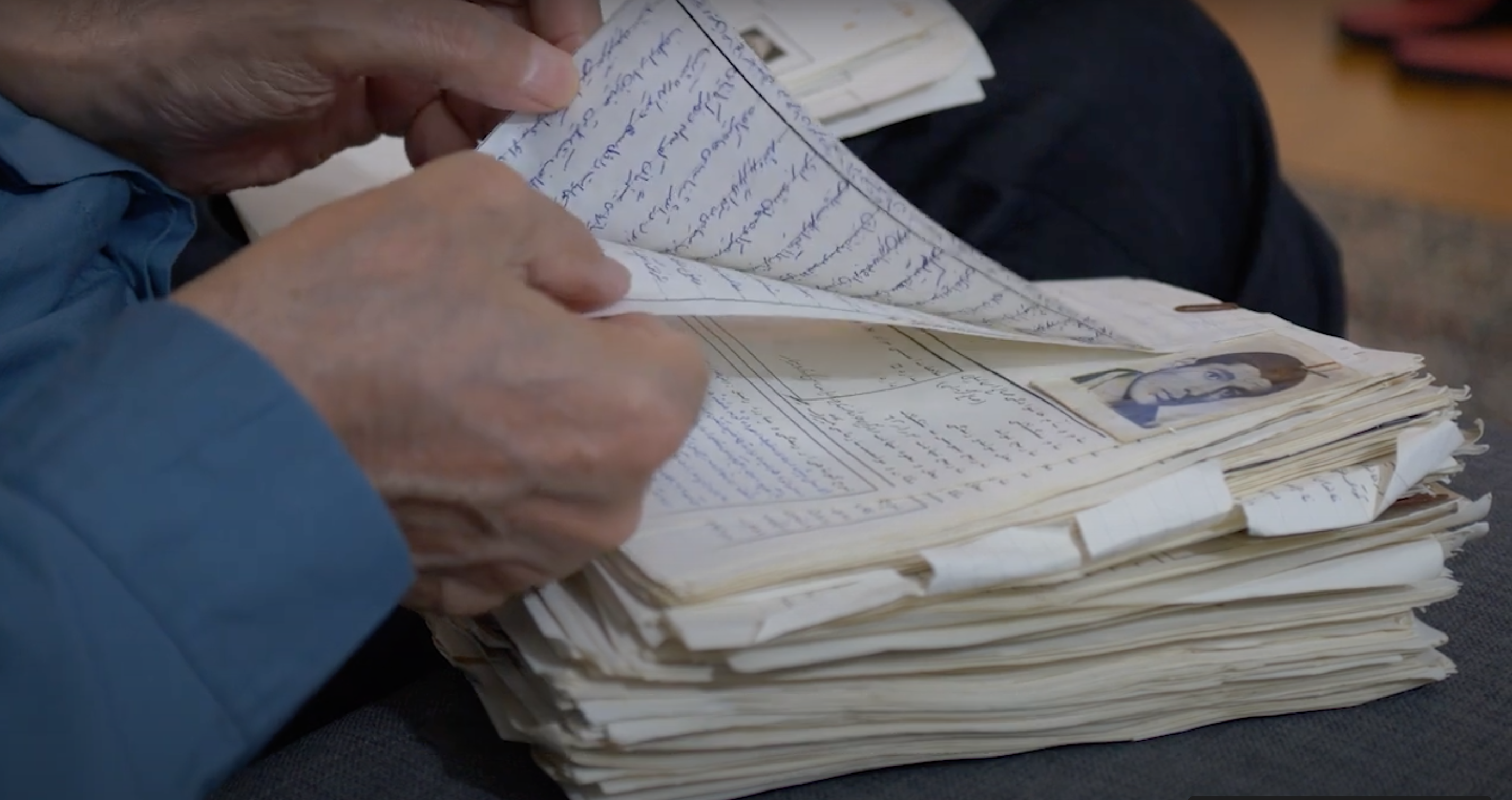
Researching marginalized subjects causes difficulties for researchers, as historical fragments are often scattered among different archives or remain absent. How can we navigate the silences of the archives? How do we apply queer, feminist and postcolonial research practices to institutions that are ingrained in systems of power? This workshop will navigate these and other questions feminist researchers might have about archival research.
This session will be led by Gianmaria Colpani, Assistant Professor of Gender Studies at Utrecht University, and Wigbertson Julian Isenia, Assistant Professor of Anthropology at the University of Amsterdam. Colpani will tell us about his research on the archives of the gay and lesbian left. In his work on LGSM, a gay and lesbian solidarity group active in the 1984-85 miners’ strike in the UK, he engaged with history methods from a gender and queer studies perspective. In this session, he will explain his methodological and practical approaches to engaging with archives. Isenia will present their work on postcolonial archives in the Dutch Caribbean. They will reflect on how to look at archives that may appear contradictory or incoherent in relation to one another, such as BDSM archives alongside archives of anti-colonial struggle, yet together reveal unexpected intersections of how power is constructed and remembered.
Date/Time: Tuesday, 21 April, 14:00-17:00, room 0.13 in Drift 23, Utrecht University.
Sign up here: Click Here
Session 2: Feminist Ethnography
How and why do we use feminist ethnography and what are its effects on knowledge production? In this workshop, we will explore how feminist ethnography offers a critical approach to studying everyday experiences, both in their methodological strategies and writing. It will focus on applying the methodology, including participant observation, ethnographic interviewing, nurturing a feminist sensibility, paying attention to power dynamics, and reflecting on positionality and relationality.
This workshop will be given by Dr. Jasmijn Rana, who is an anthropologist at Leiden University. Her research agenda focuses on sports and movement, embodiment, diversity in cultural heritage, gender and ethnoracial inequalities. She is the author of Punching Back: Gender, Religion and Belonging in Women Only Kickboxing (Berghahn Books 2022) and chair of LOVA Network for Feminist Anthropology. She currently leads the ERC-funded research project Diversity Outdoors: Embodied Ethnoracial Inequalities and Outdoor Recreation in Europe.
Date/Time: 8 May, 14:00-17:00. Utrecht University, room TBA.
Sign up here: Click Here
Session 3: Ethics, Dilemmas and Discord
How do we navigate relations in research that are shaped by distrust and discord? How might we strive for a non-idealized concept of care in our collaborations? In this workshop, we will explore care, responsibility, and boundaries in collaborative knowledge production. The workshop will focus on failure and particularly a feminist ethics of failure, as an embodied and embedded practices that reveals the complex political and relational dynamics that undergird collaborative research. Participants will explore paths towards expanding the ethical foundation of feminist research and opening up new possibilities for forging power-sensitive solidarities.
This workshop will be given by Alexandra Greene (VU Amsterdam), who is a lecturer and researcher for the NWO-VICI project “Engaged scholarship and narratives of change,” led by prof. dr. Halleh Ghorashi. Using qualitative research methodology and comparative perspective (South Africa, the US, and the Netherlands), this project explores the possibilities and limitations of community-engaged research in the lives of refugees and forced migrants.
Date/Time: May 12, 13:00-17:00. Utrecht University, room TBA.
Sign up here: Click Here